Blog

Test piece ONHK 2027

Test piece ONHK 2027

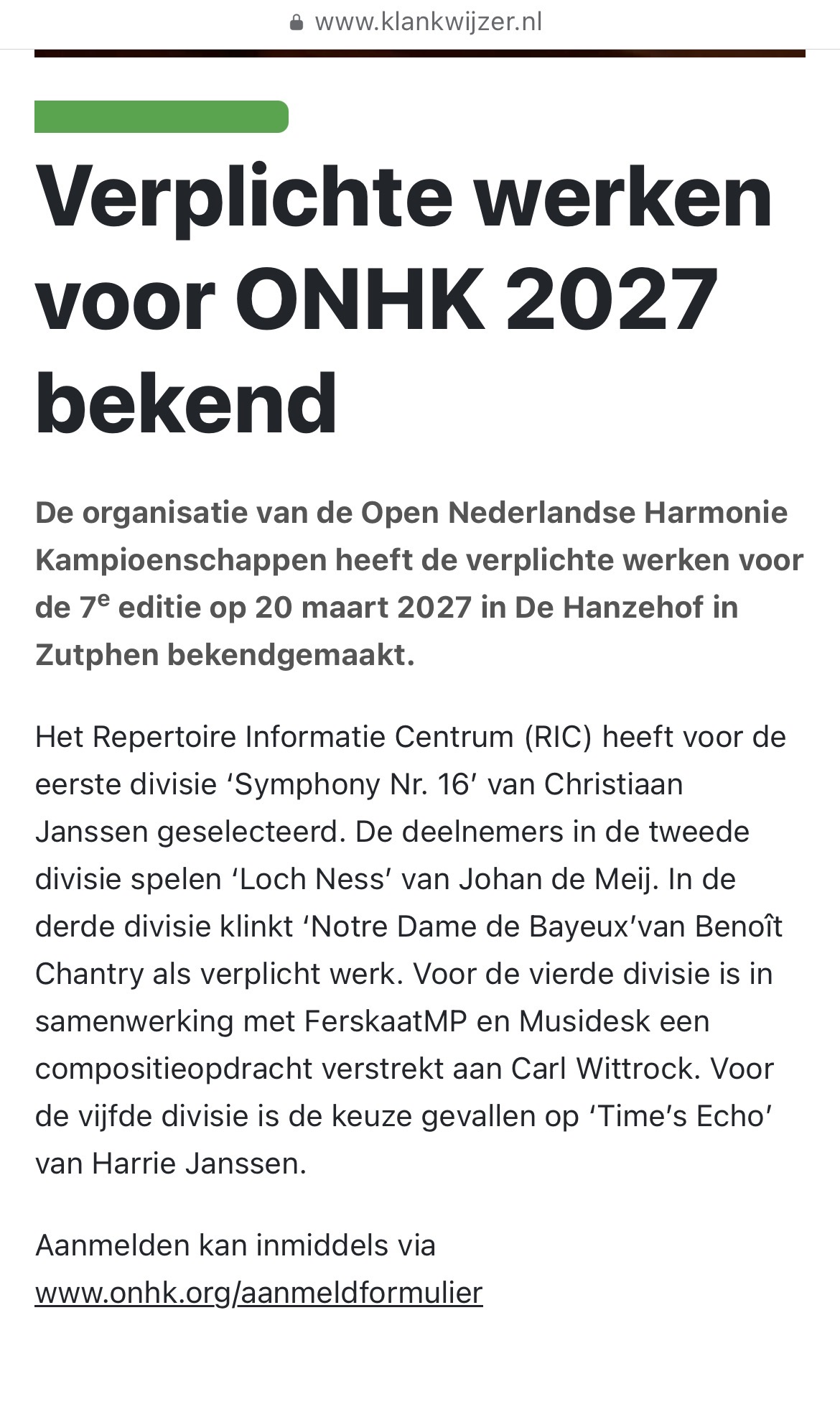
The Open Dutch Wind Orchestra Championships in 2027 have selected Symphony #16 as the compulsory work for the 1st Division. The championships will take place on March 20, 2027, in Zutphen (NL).

Screenshot
Wintertaferelen / Winter Scenes

Wintertaferelen / Winter Scenes

InstrumentationGradeDurationPublisherDemo Score
Fanfare Band515 minutesJanssen Music→ Download

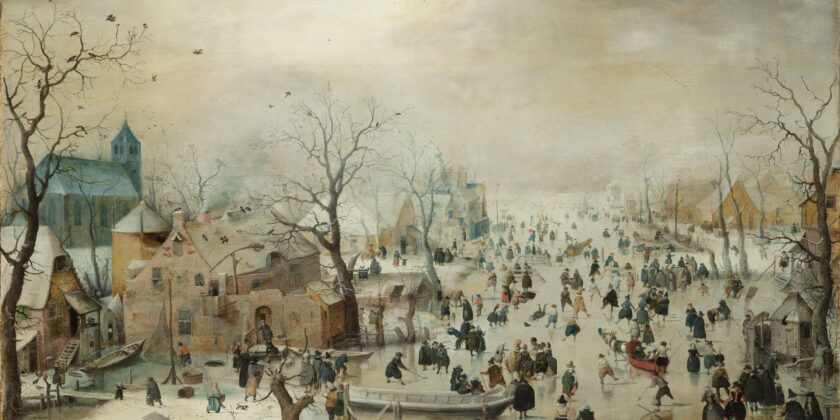
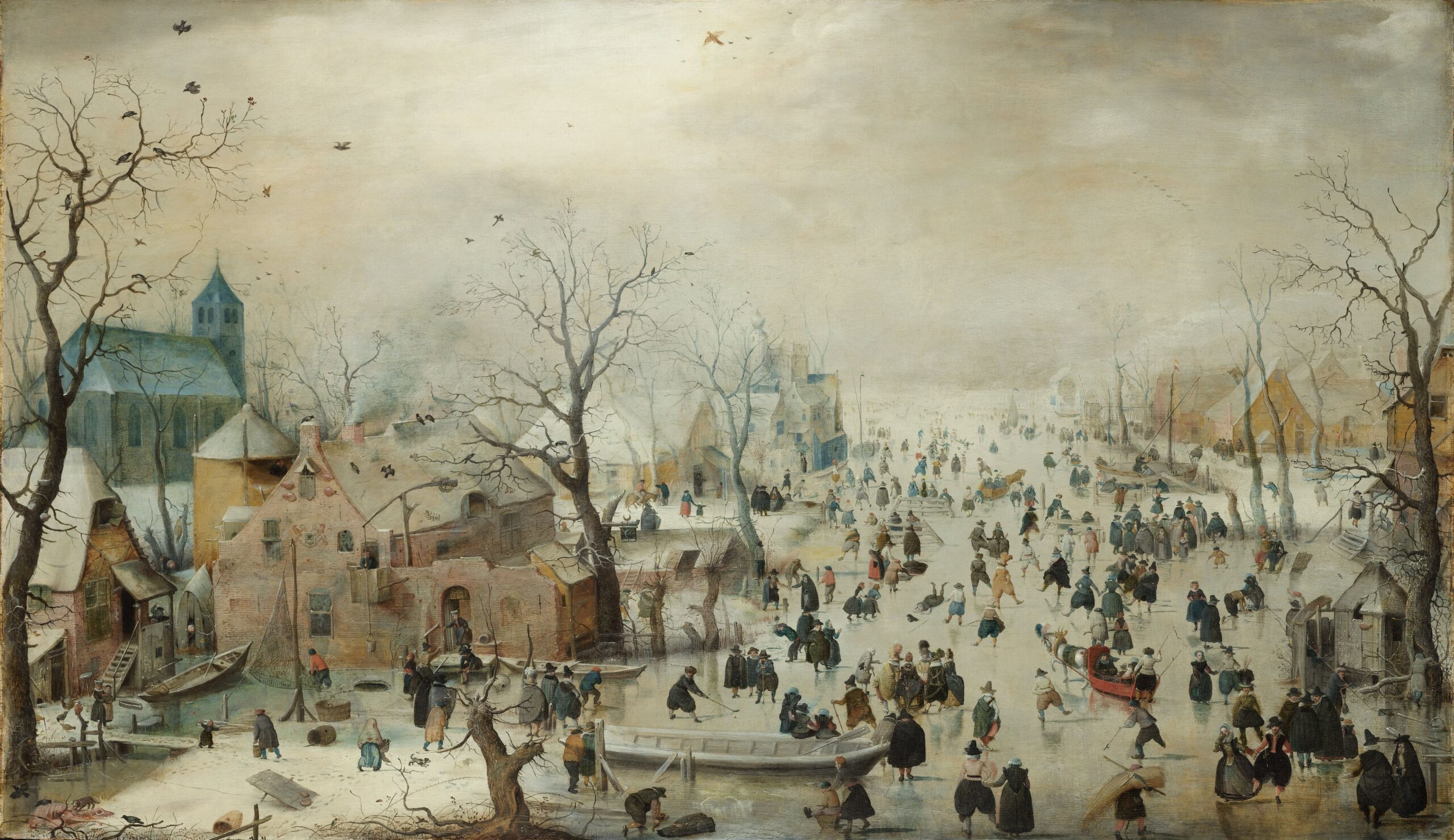
Winter scenes (Wintertaferelen in dutch) is a three-movement work inspired by the seventeenth-century masterpieces of Hendrick Avercamp. It serves as a musical canvas depicting the Dutch winter during the Little Ice Age.

The Prelude tells the story of the icy, mysterious silence of a frozen river at sunrise. The Scherzo is a feverish, hectic, and virtuosic movement in which the people on the ice are portrayed through music. The work concludes with a universal chorale that evokes the warmth and sense of togetherness of a December evening.

This work was commissioned by the Royal Netherlands Marechaussee.

Winter Landscape – Hendrick Avercamp (17th Century)

Score & Parts are available from December 2026

Demo is available soon, until then enjoy my other music;


Echoes of Time

Echoes of Time

InstrumentationGradeDurationPublisherDemo Score
Wind Band513 minutesJanssen Music→ Download

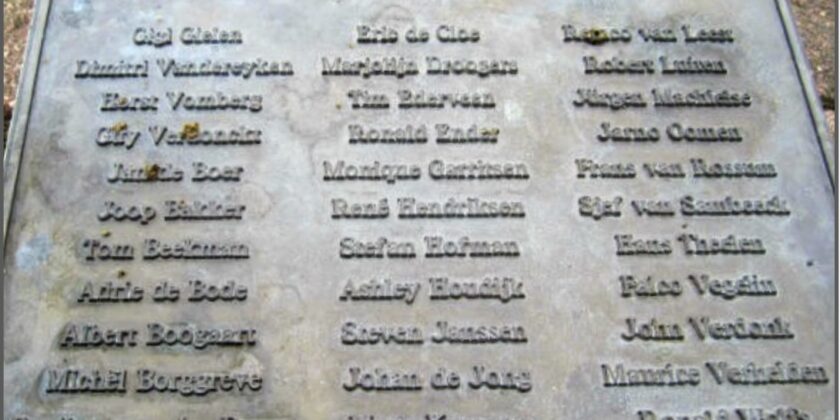
Dedicated to everyone, in any way involved in the Hercules disaster on July 15th 1996.

Commissioned by Koninklijke Militaire Kapel ‘Johan Willem Friso’.

Echoes of Time is a symphonic poem composed on the occasion of the commemoration of the 30th anniversary of the Hercules disaster on July 15th 1996.

The work consists of four consecutive parts. It opens with “Morning Light”, a colorful look back at the day it all happened. After a short introduction – where the dawning of the day turns into the grand opening theme – the story is told of the great musicians, in the prime of their lives, resuming the return journey after a successful performance by their “Fanfarekorps Koninklijke Landmacht” (FKKL).

Just as suddenly as a disaster can take place, the second part “Silence Fall” follows. After the drastic event – in which 34 musicians and crew members were killed and 7 seriously injured – it is as if time stands still for a moment. The music becomes still, as it were. A heartbeat illustrates the fight for the lives of the survivors and the dead are mourned in short recitatives. 

The third part follows consecutively and tells the story as a kind of dialogue between survivors/relatives and the dead. This “Cantilene” is a remembrance of the lost, where time softens the wounds but does not erase them. The part ends grandly, where, as it were, a tribute is paid to all the victims. 

In the final part “Permanent Echo”, the memories of the past are translated into a message that leaves a sense of hope and remembrance.


Score and Parts

Sound demo


Dance of the seven veils / Richard Strauss

Dance of the seven veils / Richard Strauss

The Dance of the Seven Veils is a famous, suggestive dance scene from Richard Strauss’s opera Salome, often depicted as a striptease in which the biblical princess Salome removes seven veils before her stepfather Herod, made influential by Oscar Wilde’s 1891 play. This dramatic dance leads to the demand for the head of John the Baptist.


Digital Score & Parts only available on request.

The Village School

The Village School

InstrumentationGradeDurationPublisherDemo Score
Wind Band8 minutesJanssen Music→ Download

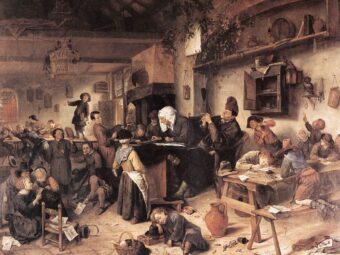
“The Village School” a frivolous and colourful overture for wind band. The work, originally for orchestra (titled as “Regalo Festivo Ouverture”) was commissioned by the University Orchestra Maastricht and serves as a prelude to its concerts. 

This version for wind band is also freely inspired by Jan Steen’s painting “the village school”, in which the everyday chaos within a classroom can be felt. It is also a reference to the connection with the university, where students experience their hopefully best time of their lives that eventually leads to a successful career. In the work, the various musical themes develop into a grand apotheosis.


Demo recording


Le Carnaval Romain / Hector Berlioz

Le Carnaval Romain / Hector Berlioz

InstrumentationWind Band
Grade
Duration9 minutes
PublisherJanssen Music
Demo Score→ Download

Le Carnaval Romain (Roman Carnival Overture), Op. 9 was composed by Hector Berlioz in 1843 and first performed at the Salle Herz in Paris on 3 February 1844. It is nine minutes of dashing music, orchestrated in Berlioz’s brightest colors, originally intended as the prelude to the second act of his opera Benvenuto Cellini. After the more or less debacle of the opera Berlioz reused the music as a stand-alone overture intended for concert performance and was a resounding success.

In this transcription the original color of instrumentation by Berlioz is maintained. 

A great and challenging overture for wind orchestras.