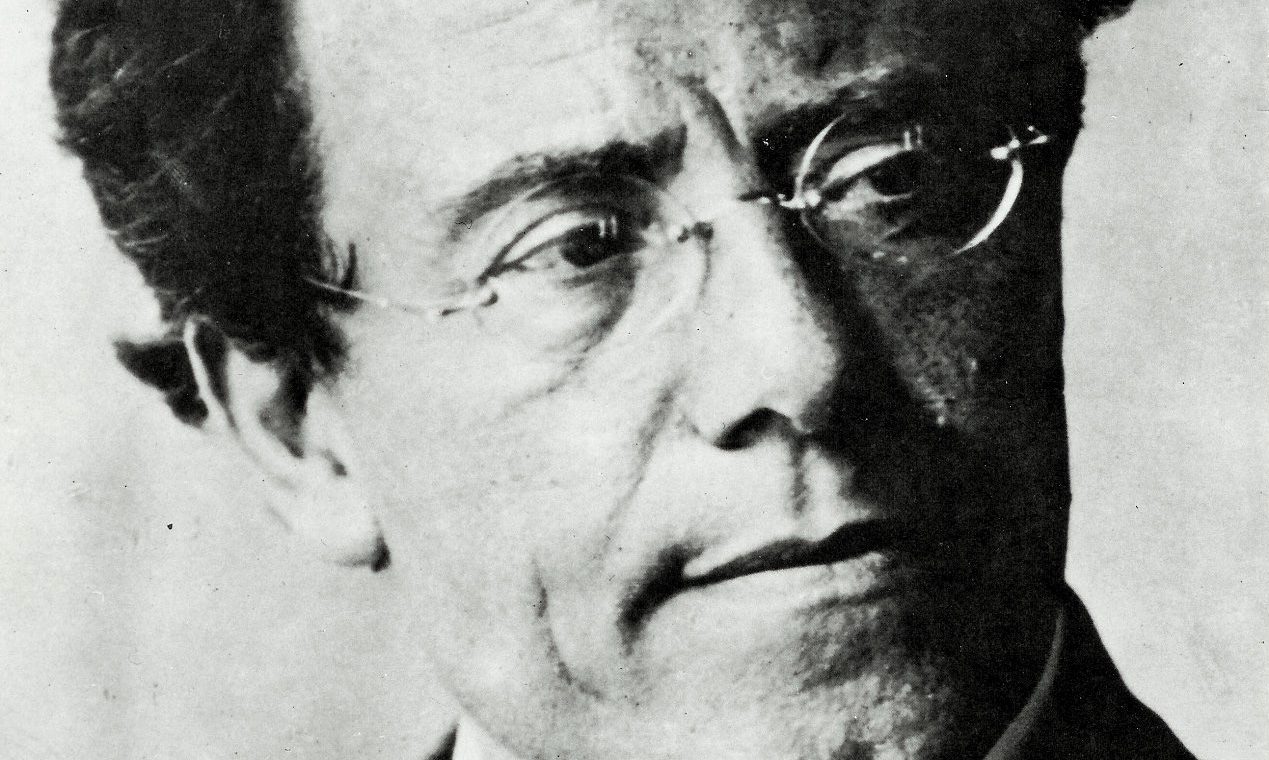
This work is the final chorus from Gustav Mahler’s 8th symphony. This monumental work for choir, soloists and orchestra is, partly due to its huge scale, a real “tour de force” for conductor and orchestra.
In this arrangement the choir is replaced by instruments without detracting from the character and style of the original.
Recording: (live) by Koninklijk Bevers Harmonie Orkest, Beveren-Leie (B) – conducted by Bert Decavel.
Was written in 2010 for the “Munsterkwartet”. It was intended as a practice piece.
The first piece, Andante, is peaceful, modest and melodious. It has a simple theme and form with a pulsating supporting accompaniment.
The second piece forms a stark contrast. The Vivace is volatile, playful and with counterpoint. This movement has a simple ABA form, in which the 2nd theme melodious but still volatile, seeks its way back to the 1st theme, which returns in a varied form and ends with a virtuoso.
The 3rd piece takes the form of a cortège. A solemn melody in g minor is authentically supported by a simple rhythmic motif. The counterpoint melodic lines, still in simple form, seek their way to the climax, in which the melody, now in radiant g major, via a short but intense coda works its way to the finale.
This work is characterized by its simple structure with easily understood melodic lines and accessible harmonies. This results in it being suitable for performance as well as its original function.
Is based on Aesop’s Fable of the two dogs who are so busy fighting over a bone that they don’t notice a third one coming until it is too late and it has run off with it.
Two musical themes are fighting for their right to exist, but a third theme runs away with the honour.
Recording: by Frysk Fanfare Orkest (NL) – conducted by Jouke Hoekstra.
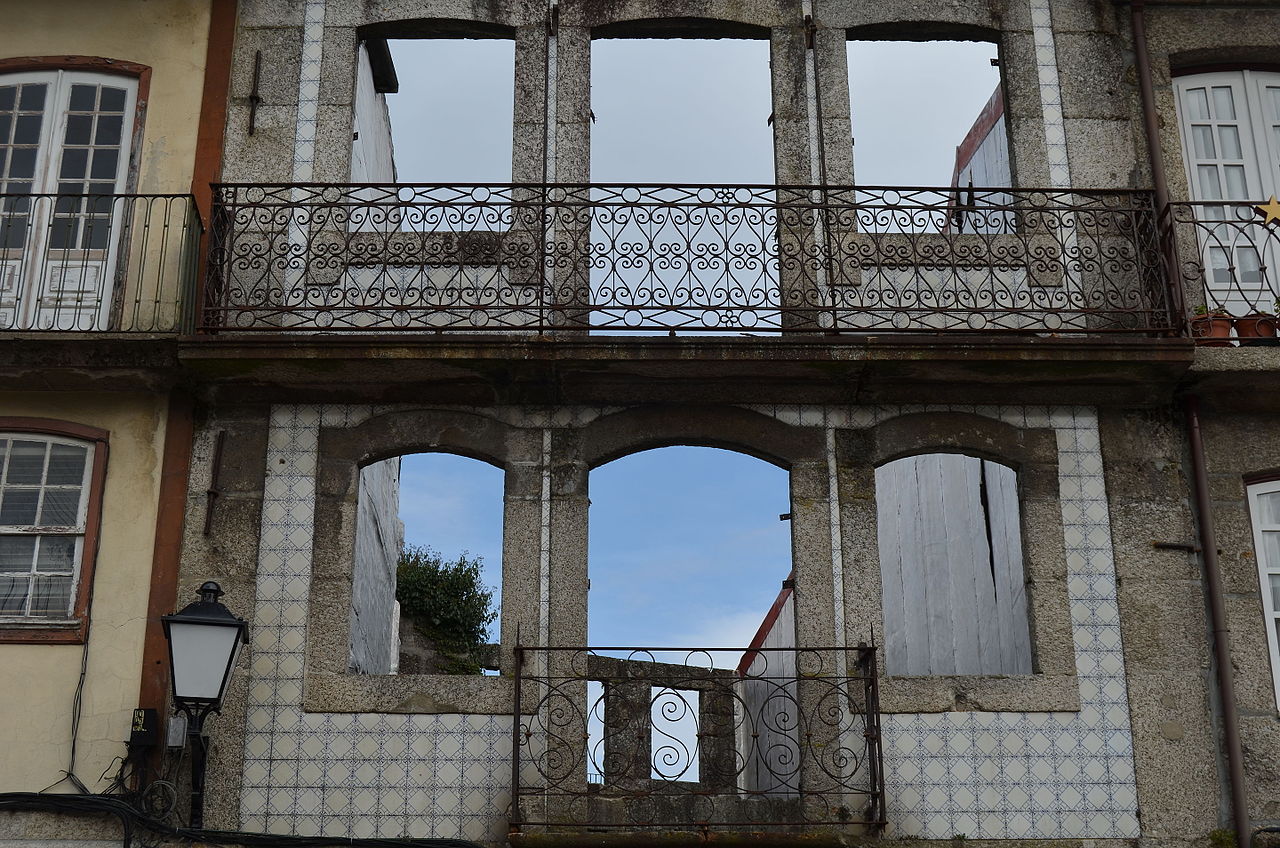
“Our dreams escape us however vividly we imagine them. There’s only one thing you can do, keep passing the open windows.” ‐ John Irving
John Irving (1943) an American novelist, famous for his well turned phrases and apt pronouncements e.g. “Your memory is a monster, you forget – it doesn’t. It simply files things away. It keeps things for you, or hides things from you – and summons them to your recall with a will of its own. You think you have a memory; but it has you!”
In “Passing the Open Windows” I have attempted to catch the atmosphere of this quotation. Having dreams (which escape us) and trying to visualize a dream. Also I have portrayed “passing” by a sort of processional march, which passes by. The use of this can be interpreted figuratively in the sense of “Don’t choose the most obvious route to your dream.” It ends simply but effectively with the portrayal of the vanishing dream.
A musical description of “The Old Man of Hoy”, a 137 meter high sandstone pillar on a volcanic foot, situated on the Scottish Island of Hoy.
Hoy is the 2nd largest of the Orkney Islands. These islands, to the north-east of Scotland, are very windy. Many birds breed on the sheer cliffs surrounding “The Old Man of Hoy.
Recording: by Fanfare Orkest “De Hoop” Stellendam (NL) – conducted by Arie Stolk.
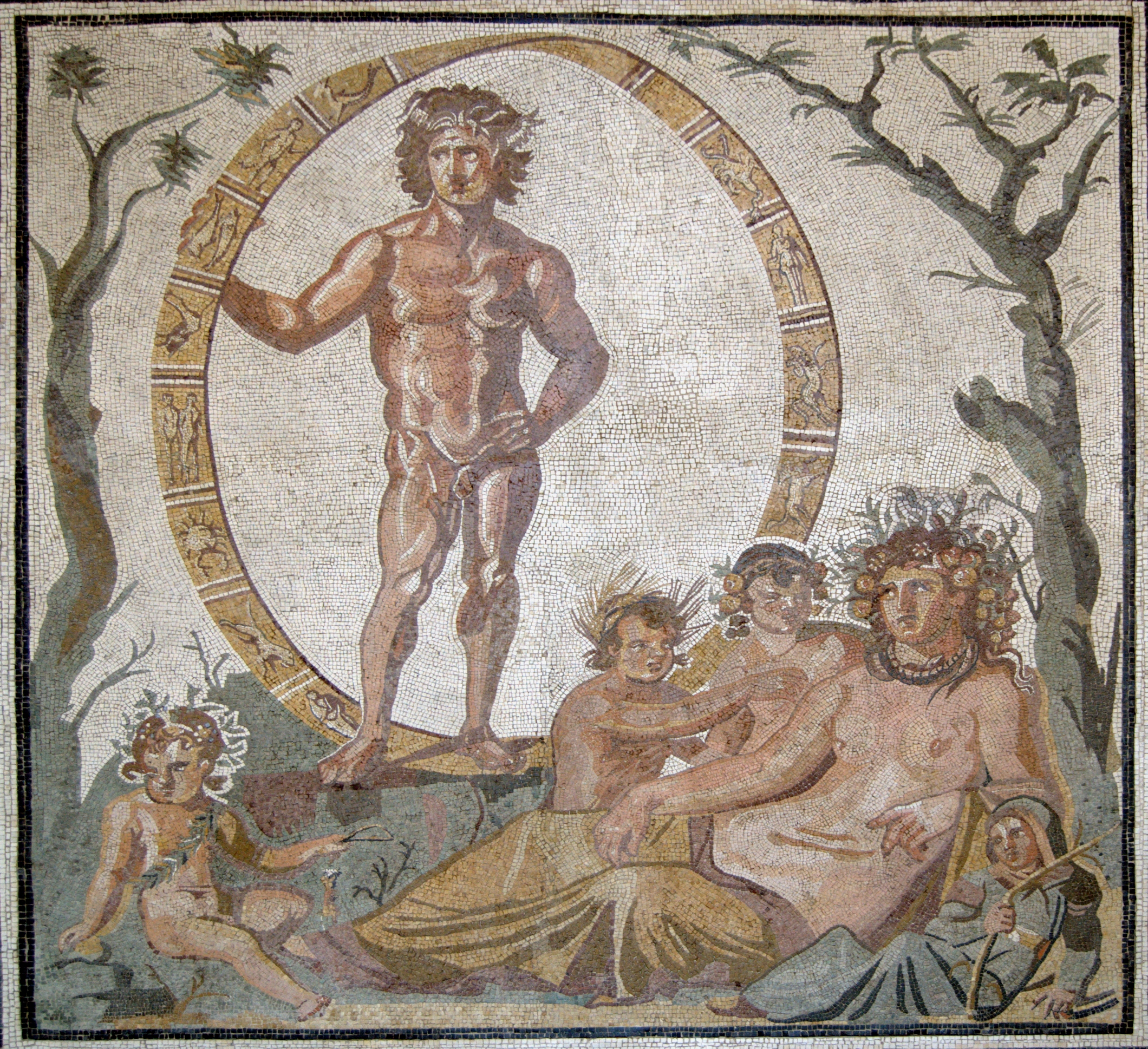
She is the mother goddess, the Earth, which arose from the chaos at the beginning of things. Chaos contains all the basic ingredients, the four elements of earth, air, fire and water. From there came Gaia, nature goddess, often depicted as a plump woman. Emerging from the ground and always attached.
This composition is based on the story of Gaia.
Recording: (live) by Fanfare Orkest “De Hoop” Stellendam (NL) – conducted by Arie Stolk.
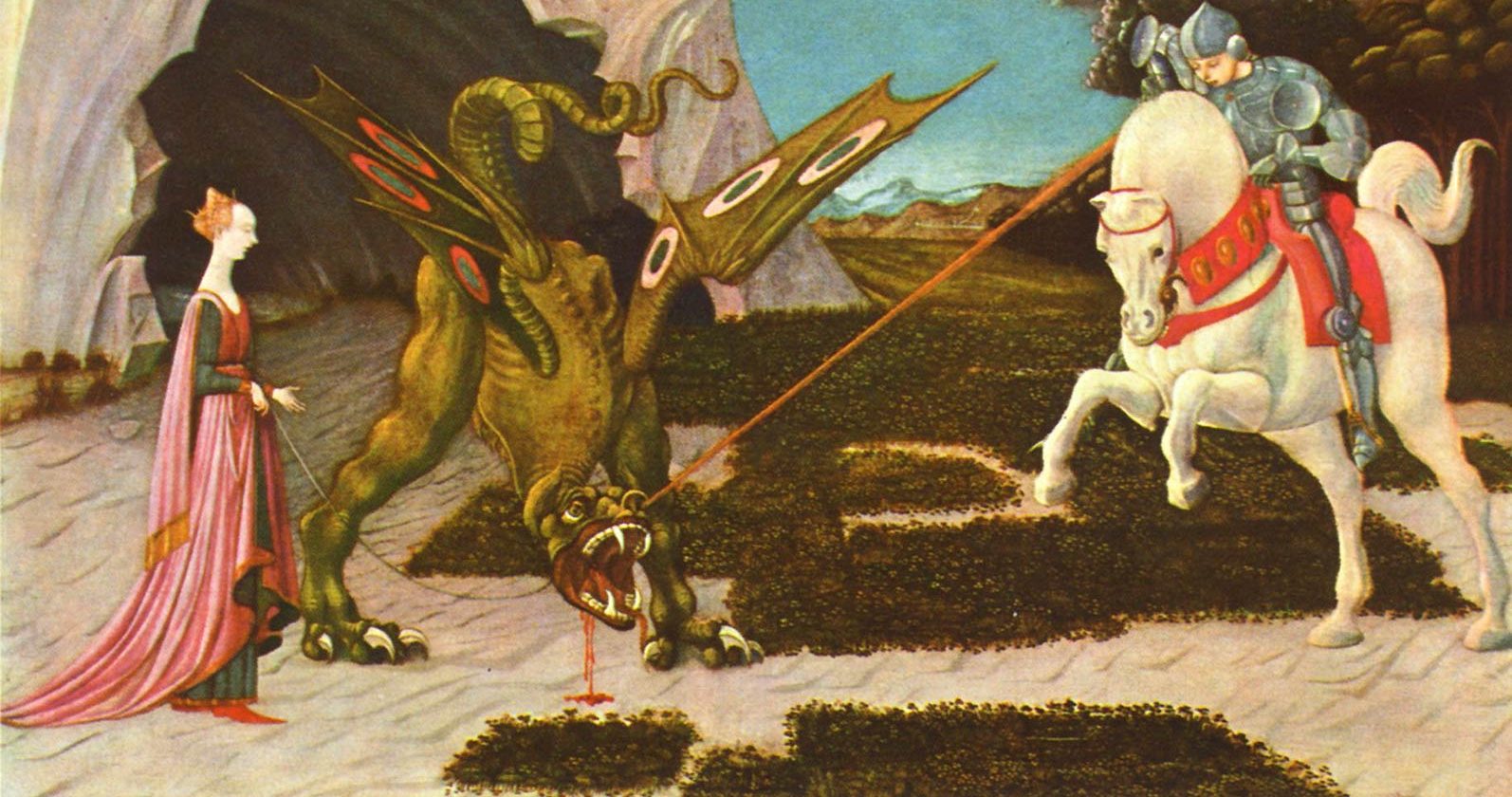
Is based on a poem by Friedrich von Schiller: “Der Kampf mit dem Drachen.”
In this poem he describes the battle with his own ego. He wins, but as it wasn’t a fair fight, he won by trickery and cunning, he has to account for his deeds. “judge not until you have evaluated” is an adage that is appropriate to this work.
The main theme “der Ritter, hoch zu Ross” the anti-hero, the ego, is played by the trombone section. The music follows the general drift of the story. Firstly the fact that the knight is fighting against the dragon (his own ego), later on his accounting to his conscience, and then the story of how he rediscovers his true self, in the form of a romantic melody, which takes the form of a flashback.
The work ends with reconciliation, begging for grace and forgiveness, and then the embracing of the one who was cast out. His ego has been defeated. An appropriate saying to describe this would be “He is no longer too big for his boots”.
The title “Episode” refers to the fact that more episodes from the poem are used to tell the musical story.
Recording: (first performance) by Fanfare “Brass-aux-Saxes” Westerlo (B) – conducted by Christiaan Janssen.