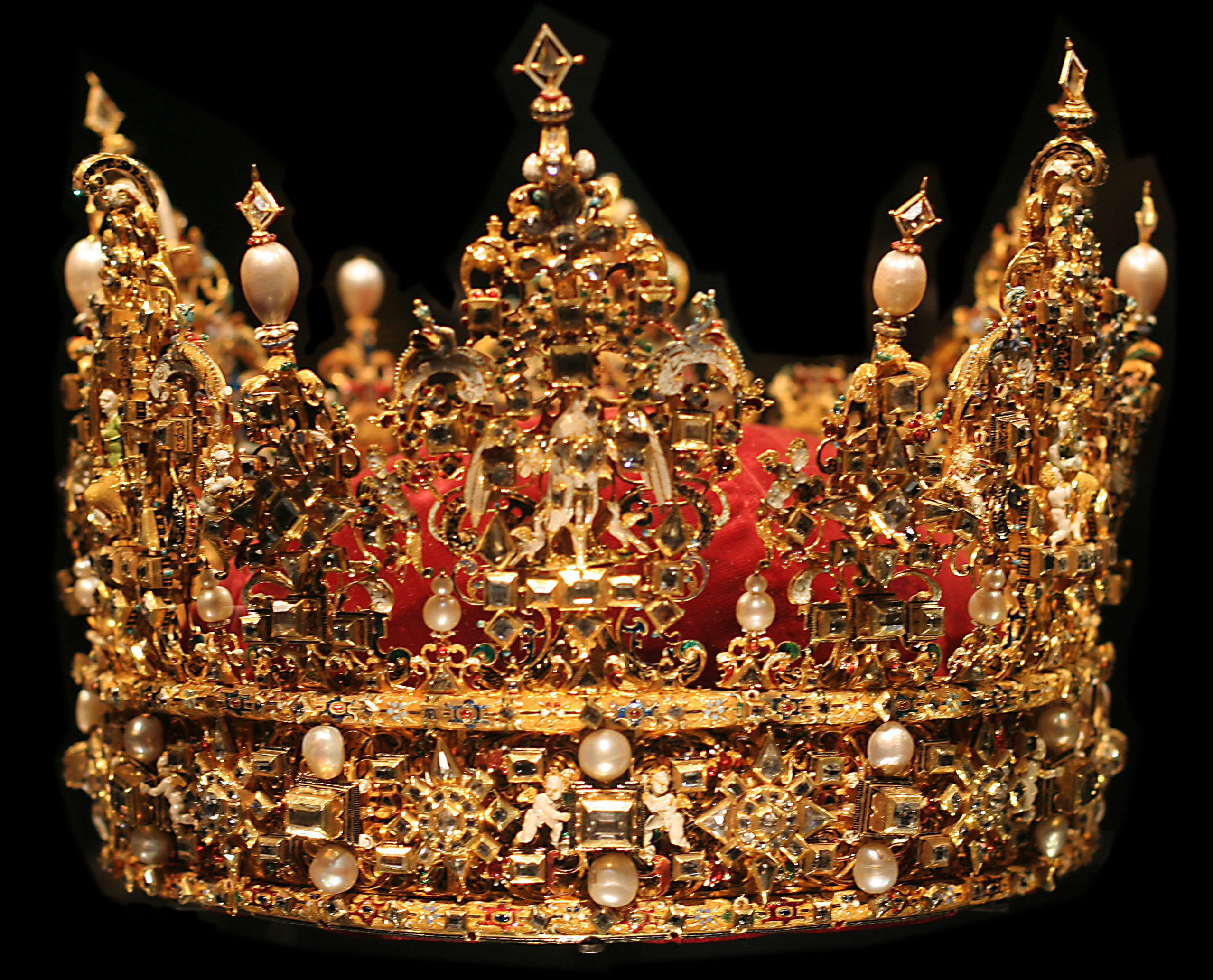
Royal Entrance

Royal Entrance

St. Michaël’s Hymne

Composed for Queens day 2011 in the Netherlands for the brass ensemble of Symphonic Wind Orchestra St. Michael of Thorn. In 2012 the piece was re-orchetrated for wind band for the 150th anniversary of  Symphonic Wind Orchestra St. Michael of Thorn.

The piece starts with a short introduction. Afterward the main theme is presented, which is based on the association song of Symphonic Wind Band St. Michael of Thorn. After this majestic theme a short variation on motifs followed by the great reprise of the main theme. The piece ends with a short but fantastic coda.

Demo score: available on request

Publisher: Janssen Music

For ordering, please fill in the →contact form.

Passion in Harmony

Passion in Harmony

It’s hard to explain, how passion for music and harmony arises, experienced and is transmitted to fellow musicians. This often goes on feeling/intuition. By this intuition arises interaction between musicians, which again creates new inspiration. At the beginning of the piece there is a feeling/musical intuition. Because of the melody there is an interaction, which develops into a new melody/new inspiration.

Passion suggests the fun at a common hobby. Harmony can be explained in several way. In harmony (harmonious) , “harmonie” (the Dutch word for Wind Band), but also the harmony (in musical terms).

The first melody suggests creative thinking. The (musical) idea will be answered and is changing (the idea is elaborated). The second melody (Valse) suggests the continuity and the constant flow of new ideas. The Milonga in the last part is very suitable because it is the most emblematic existing tango. And the Tango is a dance of passion.

Instrumentation: Piccolo, 2 flutes, 2 oboes, 2 bassoons, 3 clarinets (2 per part), bass clarinet, contrabass clarinet (opt.), 2 alto saxophones, 1 tenor saxophone, 1 baritone saxophone, string bass

Publisher: Janssen Music

Demo of the ensemble version is available on request.

For ordering, please fill in the → contact form.


Three Pieces for Oboe, Violin, Cello and Piano

Three Pieces for Oboe, Violin, Cello and Piano

Was written in 2010 for the “Munsterkwartet”. It was intended as a practice piece.

The first piece, Andante, is peaceful, modest and melodious. It has a simple theme and form with a pulsating supporting accompaniment.

The second piece forms a stark contrast. The Vivace is volatile, playful and with counterpoint. This movement has a simple ABA form, in which the 2nd theme melodious but still volatile, seeks its way back to the 1st theme, which returns in a varied form and ends with a virtuoso.

The 3rd piece takes the form of a cortège. A solemn melody in g minor is authentically supported by a simple rhythmic motif. The counterpoint melodic lines, still in simple form, seek their way to the climax, in which the melody, now in radiant g major, via a short but intense coda works its way to the finale. 

This work is characterized by its simple structure with easily understood melodic lines and accessible harmonies. This results in it being suitable for performance as well as its original function.

Publisher: Janssen Music

Demo Score: Download


Demo Recording: (live) by L1 Radio, performanced by “Munsterkwartet”, Roermond (NL).


Concertino for Winds

Concertino for Winds


Recorded (live) by Wind Ensemble “Zuiderwind” (NL) – conducted by Jos van de Braak.

This work was written in a fairly short time and I cherish the memories related to its composition. That is why I give it the pet name of “Zuiderwind Concertino”.

A pet name with a double meaning, firstly referring to the ensemble “Zuiderwind”, but it is also a reference to a corner of the world where everything is more pleasant than here. This last relates to the death of my brother-in-law, to whom this work is dedicated.

The first movement, Andante con Moto, is a sort of serenade, a quiet lullaby like movement, in which the main theme is presented by a horn or clarinet solo. This movement exudes serenity and level-headedness,  like the character of my brother-in-law.

The second movement, Allegro Molto Scherzando, is a sort of fleeting dance, a sort of Scherzo, but then again not. It has some common ground with Mahler whilst still remaining accessible.

The third movement Adagio non troppo – Andante Calme e Celeste, is an emotional finale to the concertino. Here, the main theme forms the basis of a melody (with thanks to Puccini). In the Coda (Andante Calme e Celeste) the main theme returns with an almost celestial atmosphere.

Demo Score: ➞ Concertino for Winds, (a version with 2 horns is also available)

Publisher: Janssen Music