Blog

Divertimento

Divertimento

InstrumentationWind Band
Bb solo clarinet
Grade5½ – (soloist): 6
Duration16 minutes
PublisherJanssen Music
Demo ScoreBb solo clarinet
→ Demo Score

Divertimento – Full Midi Demo

Divertimento is a concerto for clarinet and wind orchestra freely inspired by portraits of Frans Hals.

Frans Hals (1582/83 – ✝︎ 1666) is one of the most important painters from the Dutch Golden Age. He is especially appreciated for his loose touch and lively portraits of contemporaries, genre scenes and colorful militia pieces.

As early as the 17th century, people were struck by the liveliness of Hals’ portraits. Hals’ works contain such power and life that it seems as if the painter “seems to challenge nature with his brush”.

In this Divertimento, the solo clarinet takes us into an imaginary story behind the painting, in which the person in question plays the leading role. After a short introduction, a colorful parade of people and their stories is created based on these portraits;

  1. The Rommel Pot player (1618-22)
  2. The singing girl (1626-30) 
  3. The laughing cavalier (1624) 
  4. The lute player (1623-24) 
  5. The young violin player (1625-30) 
  6. The merry drinker (1630) 
  7. “Malle Babbe” (1633-1635)
  8. A young woman with a glass and flagon (the inn-keeper) (1635) 

Score and Set:


(Re)Connected

(Re)Connected

InstrumentationWind Band
Grade5
Duration16 minutes
PublisherJanssen Music
Demo Scoreon demand

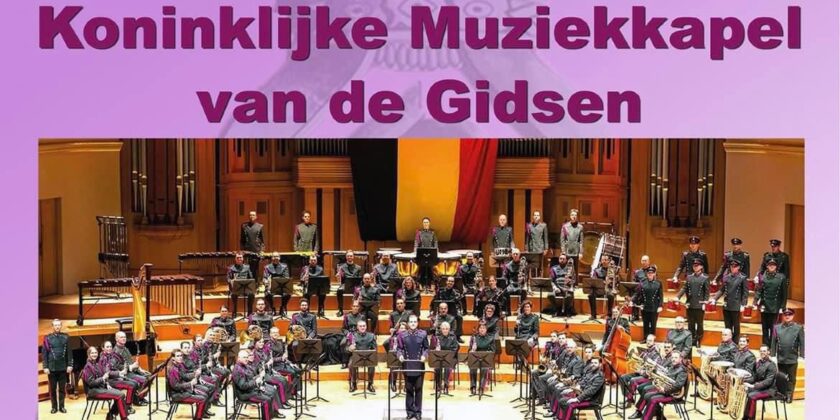
… is a musical adventure for concert band, commissioned by the “Royal Military Band Johan Willem Friso” (NL) and their chief-conductor Major Tijmen Botma.

Due to the Covid pandemic, there have been hardly live performances by orchestras around the world for (sometimes more than) a year. With this work an attempt is made to make renewed contact with the numerous concert audience.

(Re)Connected is therefore a work in which famous melodies of grandmasters from the past are connected in a special way and in which a (renewed) interaction between musicians and the audience takes place.

The work opens with Toccata by Claudio Monteverdi from “Orfeo”. Subsequently, the 1st cello sonata by Johann Sebastian Bach takes a prominent place, with a quartet of musicians interacting with the material.

On the basis of the exhibited themes, a fugal structure develops in which new material is used from the Overture “Entführung aus dem Serail” and the final movement from “Die Kleine Nachtmusik” by Wolfgang Amadeus Mozart.

After this virtuoso intermezzo peace returns with the famous theme of the adagio from the 9th symphony (“from the new world”) by Anton Dvorak. From this develops a dramatic part based on main theme of Dvorak 9th.

After a brief recollection of Bach and the “(Re)Connected” motif, which is clearly discernible throughout the work, the finale begins based on the impressive theme “Ode to joy” from Ludwig van Beethoven’s 9th symphony.

An interactive musical adventure in which musicians and audience are “reunited” with the so beloved grandmasters from music history.



Score and parts are available only on demand. Please contact us via the → Contact form.


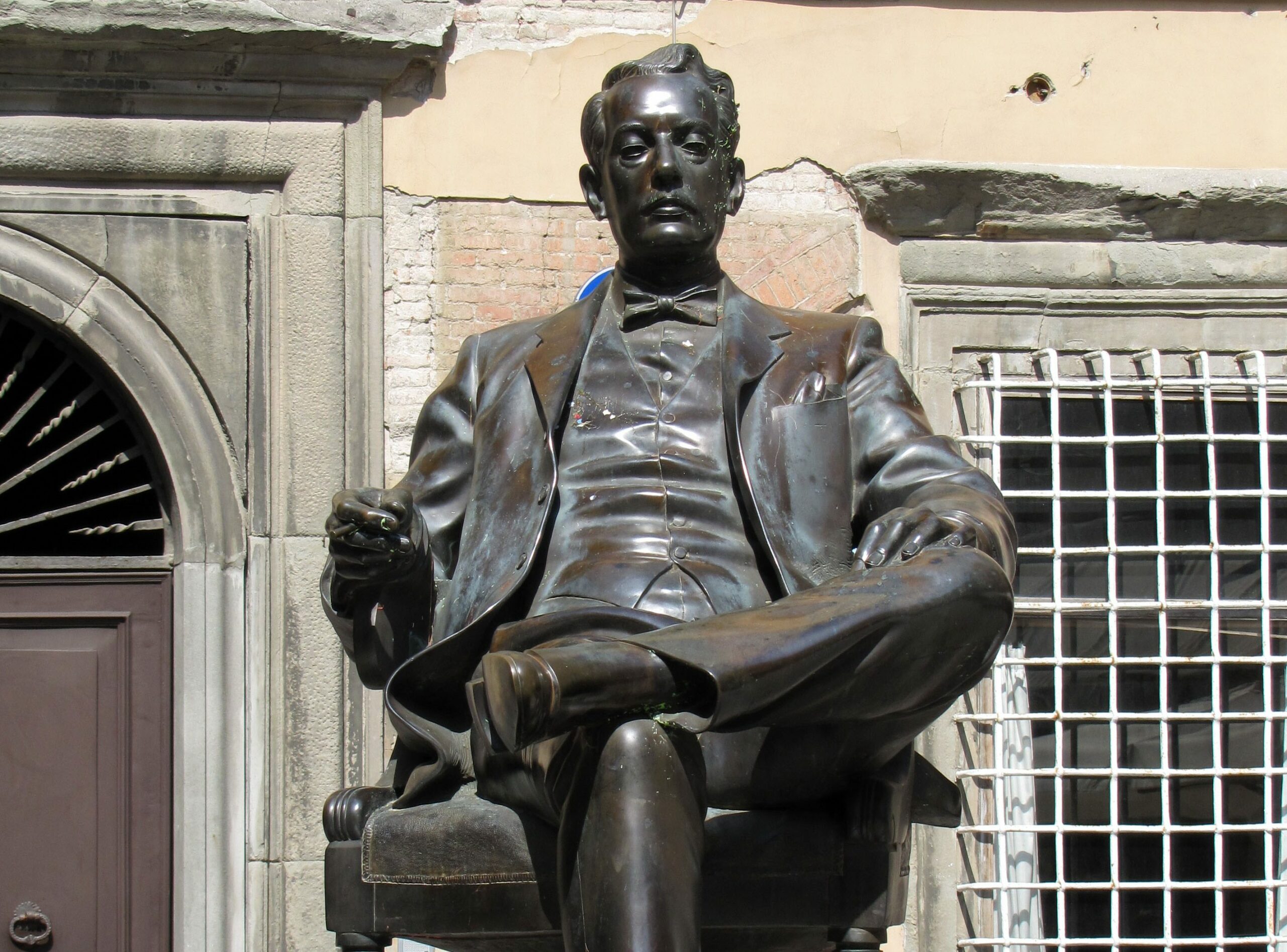
Madama Butterfly / Giacomo Puccini

Madama Butterfly / Giacomo Puccini

‘Madama Butterfly’ is an opera in three acts by Giacomo Puccini, with an Italian libretto by Luigi Illica and Giuseppe Giacosa. It is based on the short story ‘Madame Butterfly’ (1898) by John Luther Long. The original version of the opera, in two acts, had its premiere on 17 February 1904 at ‘La Scala in Milan. After several revisions success ensued, starting with the first performance on 28 May 1904 in Brescia.
Dutch arranger Christiaan Janssen used some of the most beautiful music from ‘Madama Butterfly’ to compile a suite for Symphonic Band.

Publisher: → Baton Music

explanation text: © www.batonmusic.nl


Ma llaman la primorosa / Gerónimo Giménez

Ma llaman la primorosa / Gerónimo Giménez

‘El Barbero de Sevilla’ is a one-act zarzuela, divided into three scenes, with a libretto by Guillermo Perrín y Vico and Miguel de Palacios and music by Jéronimo Giménez. It premiered at the ‘Teatro de la Zarzuela’ in Madrid on February 5, 1901.
The most famous aria from this zarzuela is by far ‘Me llaman la primorosa’. Even today it still belongs to the traditional light concert repertoire. Dutch arranger Christiaan Janssen transcribed this aria now for Soprano and Symphonic Band.

Publisher: → Baton Music

explanation text: © Baton Music


Regalo Festivo Ouverture

Regalo Festivo Ouverture

InstrumentationOrchestra
Grade4
Duration8 minutes
PublisherJanssen Music
Demo Score→ Download

‘Regalo Festivo Ouverture’ is a frivolous and colourful overture for orchestra. The work was commissioned by the University Orchestra Maastricht and serves as a prelude to its concerts.

The work is freely inspired by Jan Steen’s painting “the village class”, in which the everyday chaos within a classroom can be felt.

It is also a reference to the connection with the university, where students experience their hopefully best time of their lives that eventually leads to a successful career.

In the work, the various musical themes develop into a grand apotheosis.


Manon Lescaut Suite / Giacomo Puccini

Manon Lescaut Suite / Giacomo Puccini

Giacomo Puccini composed his opera ‘Manon Lescaut’ in 1893 and it became together with ‘Tosca’ his first outstanding success. ‘Manon Lescaut’ is a devastating depiction of a woman wrestling with her desire for love on her own terms, and the rigid double standards imposed on her by society. The opera was a breakthrough hit for Puccini, and is packed with memorable music and heartbreaking drama. This suite contains some of the most beautiful music from ‘Manon Lescaut’ to compile a small suite for Symphonic Band.

Publisher: → Baton Music

explanation text: © www.batonmusic.nl


Schlagoberswalzer / Richard Strauss

Schlagoberswalzer / Richard Strauss

‘Schlagobers’ (‘Whipped Cream’), Op. 70, is a ballet in two acts with a libretto and score by Richard Strauss. Composed in 1921–22, it was given its première at the Vienna State Opera on 9 May 1924. Despite the fact that both the ballet and the later compiled suite were not an unqualified success, the ballet contained, according to the critics, at least a superb waltz. Nowadays we regularly find this ‘Schlagoberswalzer’ on all the major concert stages and it lives up to the title. Dutch arranger Christiaan Janssen transcribed this beautiful waltz now for Symphonic Band.

Publisher: → Baton Music

© explanation text: www.batonmusic.nl