Until nowadays, La Traviata is still one of the most successful opera’s in the music-literature. Giuseppe Verdi composed this opera in 1853 and it belongs to the top of Verdi’s middle period of composing.
The well known Prelude to the 1st act has a feeling of impending tragedy.
Recording: by Banda Municipal De A Coruna (E) – conducted by Henrie Adams.
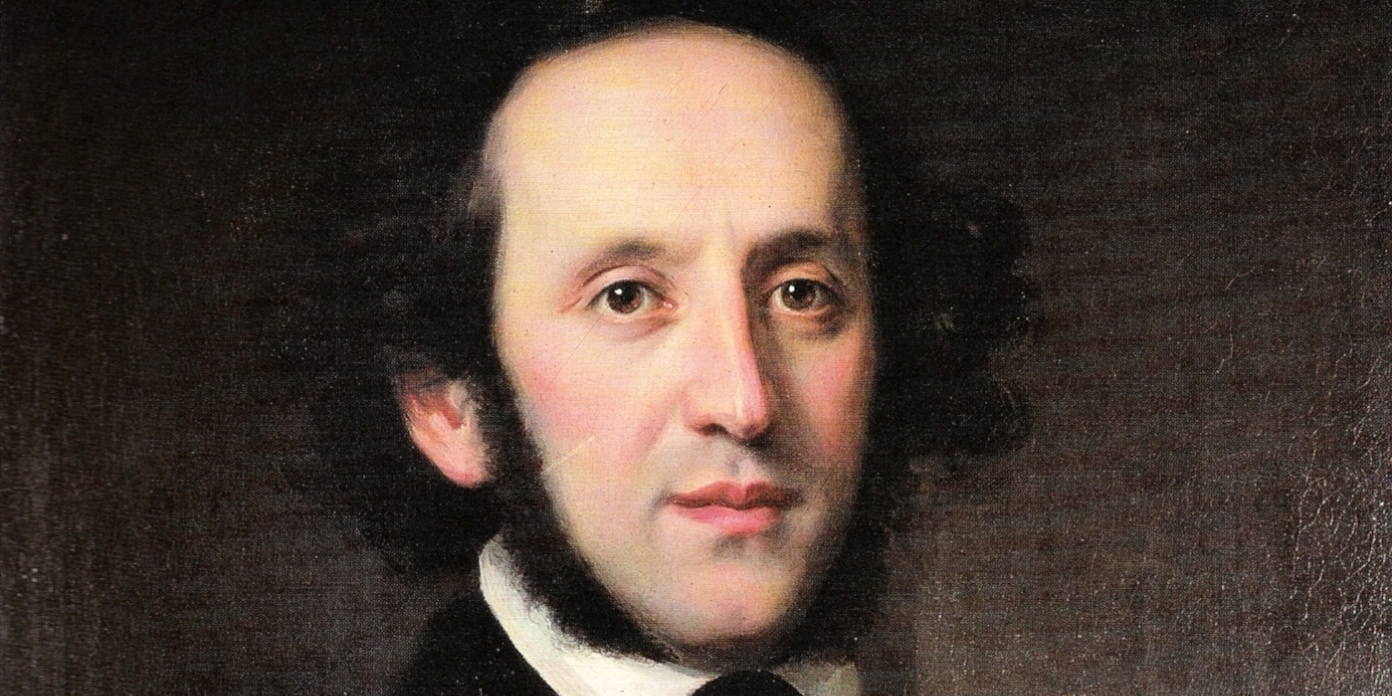
As well as his more famous works Felix Mendelssohn also wrote several works for organ. These include six sonatas in a beautiful classic-romantic idiom, in a way which only he could do.
One of these beautiful works is the “Praeludium Pastorale”. In this arrangement for Fanfare Orchestra I have tried to preserve the original as well as possible.
A delight to the ear.
Recording: by Frysk Fanfare Orkest (NL) – conducted by Jouke Hoekstra.
‘La Bohème’ is perhaps Puccini`s most nearly perfect opera. It has long been one of the world’s most beloved musical works – an instantly enchanting blend of charm, warmth, gaiety, and pathos, brought to vibrant live by Puccini`s sparkling, lighthearted score.
In this arrangement I did use the orchestral material from the opera to make a large Symphonic Suite for Concert Band.
Recording: (live) by Orchestra a fiati Alpe Adria XIII (IT) – conducted by Josè Rafael Pascual Vilaplana
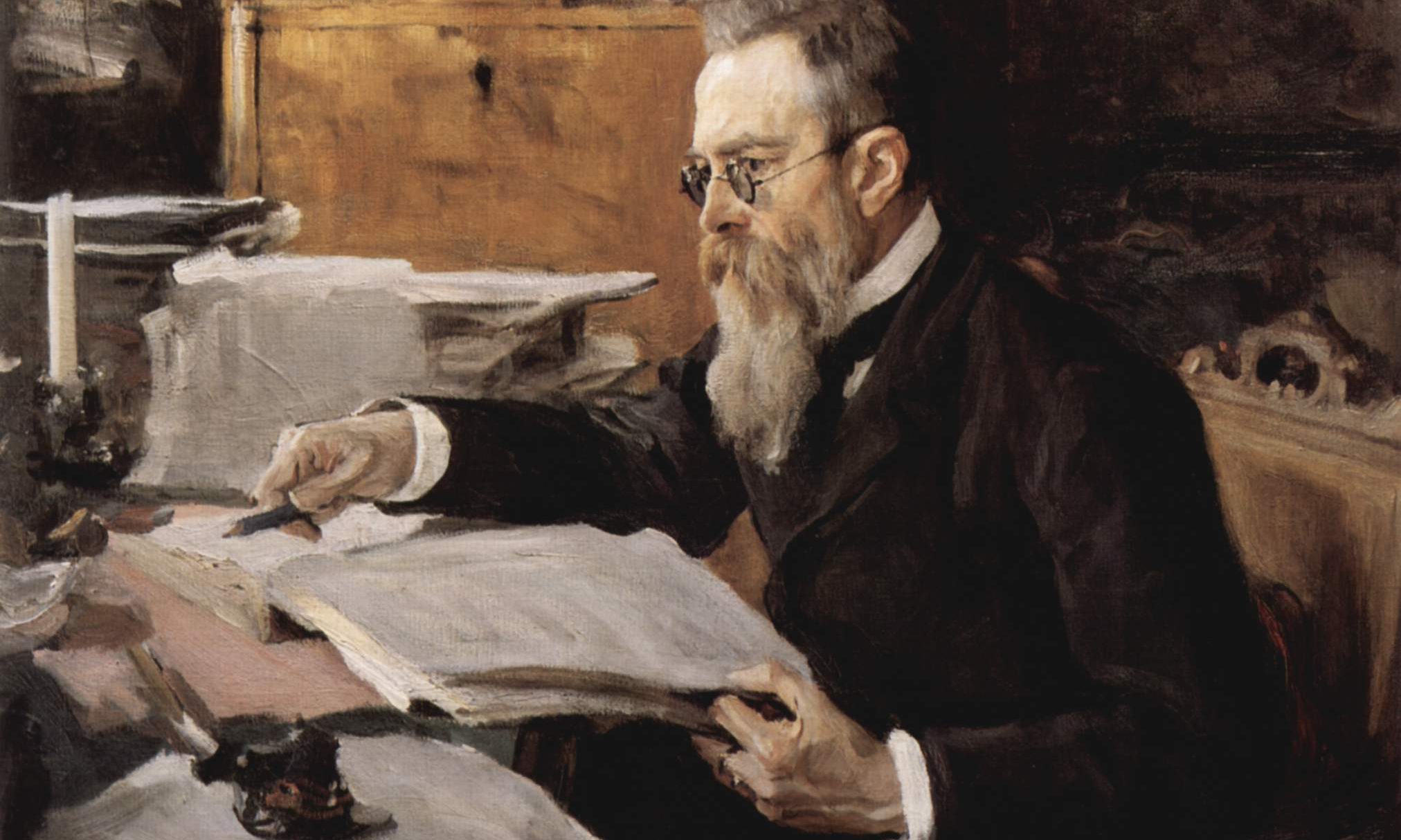
Capriccio Espagnol, Op. 34, is the common Western title for an orchestral work based on Spanish folk melodies and written by Nikolai Rimsky-Korsakov in 1887.
Rimsky-Korsakov originally intended to write the work for a solo violin with orchestra, but later decided that a purely orchestral work would do better justice to the lively melodies.
This transcription respects the original tone-colour of the piece.
Recording: (live) by Unión Musical de Valladares (E) – conducted by Juan Lois Diéguez.
(The violin solo is an interpretative addition of these performers.)
Most of the music which Shostakovich used for his Ballet Suites was composed for the silent films in the early 1930ies or was re-used from early opera’s and ballets. This is a very fine transcription of the Ballet Suite nr.1 which contains six movements:
Lyric Waltz
Dance
Romance
Polka
Waltz-Joke
Galop
Recording: by Symphonic Wind Orchestra O&U, Beek en Donk (NL) – conducted by Jos van de Braak.
This work is the final chorus from Gustav Mahler’s 8th symphony. This monumental work for choir, soloists and orchestra is, partly due to its huge scale, a real “tour de force” for conductor and orchestra.
In this arrangement the choir is replaced by instruments without detracting from the character and style of the original.
Recording: (live) by Koninklijk Bevers Harmonie Orkest, Beveren-Leie (B) – conducted by Bert Decavel.
Was written in 2010 for the “Munsterkwartet”. It was intended as a practice piece.
The first piece, Andante, is peaceful, modest and melodious. It has a simple theme and form with a pulsating supporting accompaniment.
The second piece forms a stark contrast. The Vivace is volatile, playful and with counterpoint. This movement has a simple ABA form, in which the 2nd theme melodious but still volatile, seeks its way back to the 1st theme, which returns in a varied form and ends with a virtuoso.
The 3rd piece takes the form of a cortège. A solemn melody in g minor is authentically supported by a simple rhythmic motif. The counterpoint melodic lines, still in simple form, seek their way to the climax, in which the melody, now in radiant g major, via a short but intense coda works its way to the finale.
This work is characterized by its simple structure with easily understood melodic lines and accessible harmonies. This results in it being suitable for performance as well as its original function.