Blog

Grazioso for Fanfare

Grazioso for Fanfare

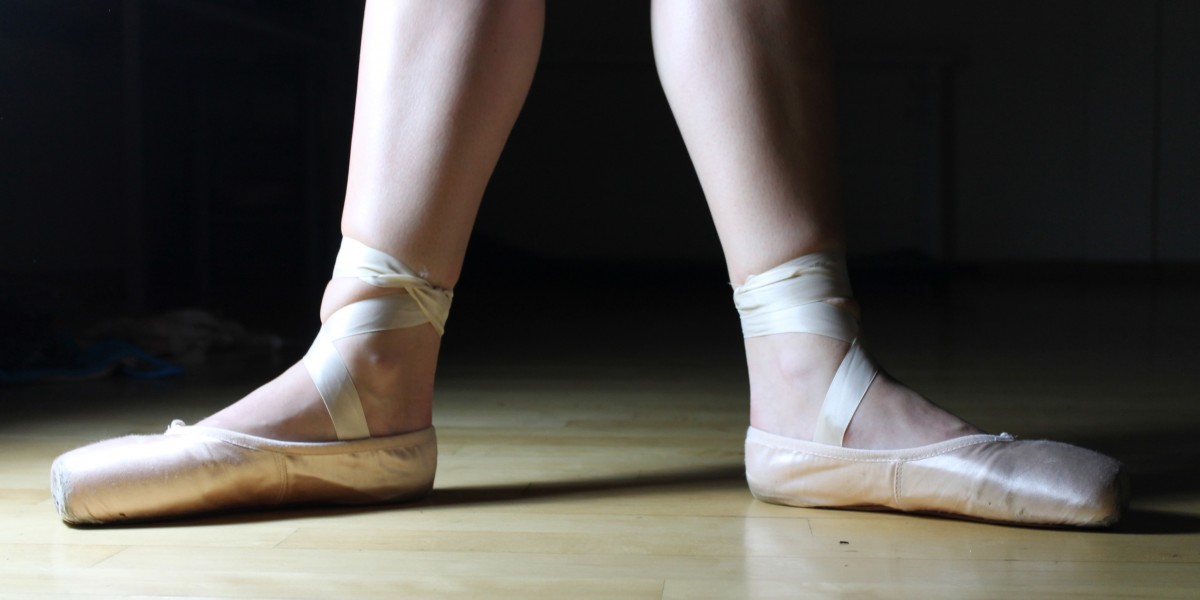
Grazioso is an Italian musical term regarding the way to perform piece of music. One can translate the term as gracious and graceful. This designation is primarily an indication to performance as to tempo and dynamics. Grazioso is a work in which rhythm / pace and elegance meets.

A kind of freestyle for horse and rider representing fanfare and conductor.


Der Kampf mit dem Drachen

Der Kampf mit dem Drachen

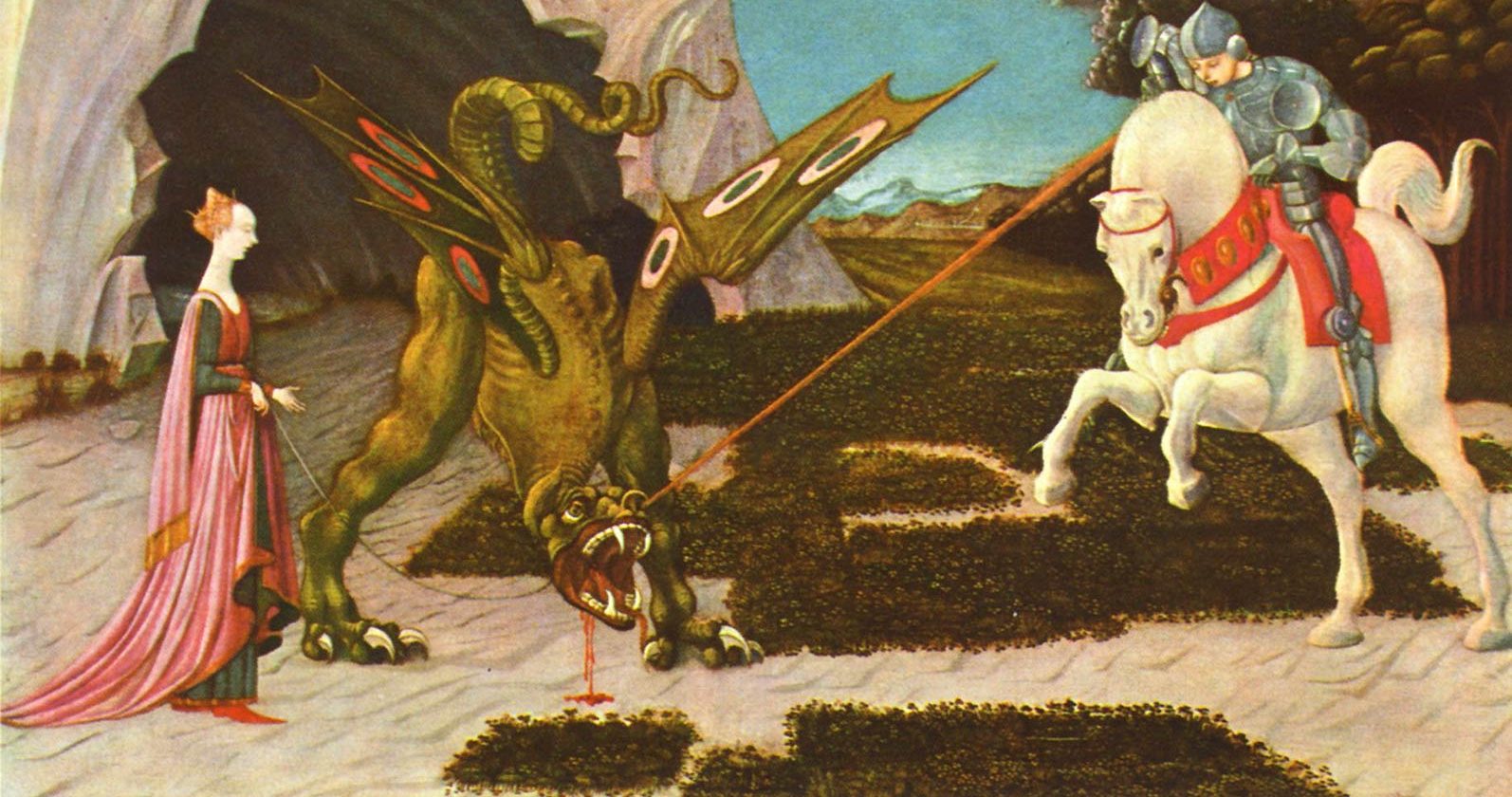
Is based on the poem by Friedrich von Schiller.

In this poem he describes the battle with his own ego. He wins,  but as it wasn’t a fair fight, he won by trickery and cunning, he has to account for his deeds. “judge not until you have evaluated”  is an adage that is appropriate to this work. The main theme “der Ritter, hoch zu Ross” the anti-hero, the ego, is played by the trombone section. The music follows the general drift of the story. Firstly the fact that the knight is fighting against the dragon (his own ego), later on his accounting to his conscience, and then the story of how he rediscovers his true self, in the form of a romantic melody, which takes the form of a flashback. The work ends with reconciliation, begging for grace and forgiveness, and then the embracing of the one who was cast out. His ego has been defeated. An appropriate saying to describe this would be “He is no longer too big for his boots”.

Demo Score: ➞ Der Kampf mit dem Drachen 

Publisher: → Bronsheim Music

Royal Entrance

Royal Entrance

St. Michaël’s Hymne

Composed for Queens day 2011 in the Netherlands for the brass ensemble of Symphonic Wind Orchestra St. Michael of Thorn. In 2012 the piece was re-orchetrated for wind band for the 150th anniversary of  Symphonic Wind Orchestra St. Michael of Thorn.

The piece starts with a short introduction. Afterward the main theme is presented, which is based on the association song of Symphonic Wind Band St. Michael of Thorn. After this majestic theme a short variation on motifs followed by the great reprise of the main theme. The piece ends with a short but fantastic coda.

Demo score: available on request

Publisher: Janssen Music

For ordering, please fill in the →contact form.


Passion in Harmony

Passion in Harmony

It’s hard to explain, how passion for music and harmony arises, experienced and is transmitted to fellow musicians. This often goes on feeling/intuition. By this intuition arises interaction between musicians, which again creates new inspiration. At the beginning of the piece there is a feeling/musical intuition. Because of the melody there is an interaction, which develops into a new melody/new inspiration.

Passion suggests the fun at a common hobby. Harmony can be explained in several way. In harmony (harmonious) , “harmonie” (the Dutch word for Wind Band), but also the harmony (in musical terms).

The first melody suggests creative thinking. The (musical) idea will be answered and is changing (the idea is elaborated). The second melody (Valse) suggests the continuity and the constant flow of new ideas. The Milonga in the last part is very suitable because it is the most emblematic existing tango. And the Tango is a dance of passion.

Instrumentation: Piccolo, 2 flutes, 2 oboes, 2 bassoons, 3 clarinets (2 per part), bass clarinet, contrabass clarinet (opt.), 2 alto saxophones, 1 tenor saxophone, 1 baritone saxophone, string bass

Publisher: Janssen Music

Demo of the ensemble version is available on request.

For ordering, please fill in the → contact form.


Turandot Suite / Giacomo Puccini

Turandot Suite / Giacomo Puccini

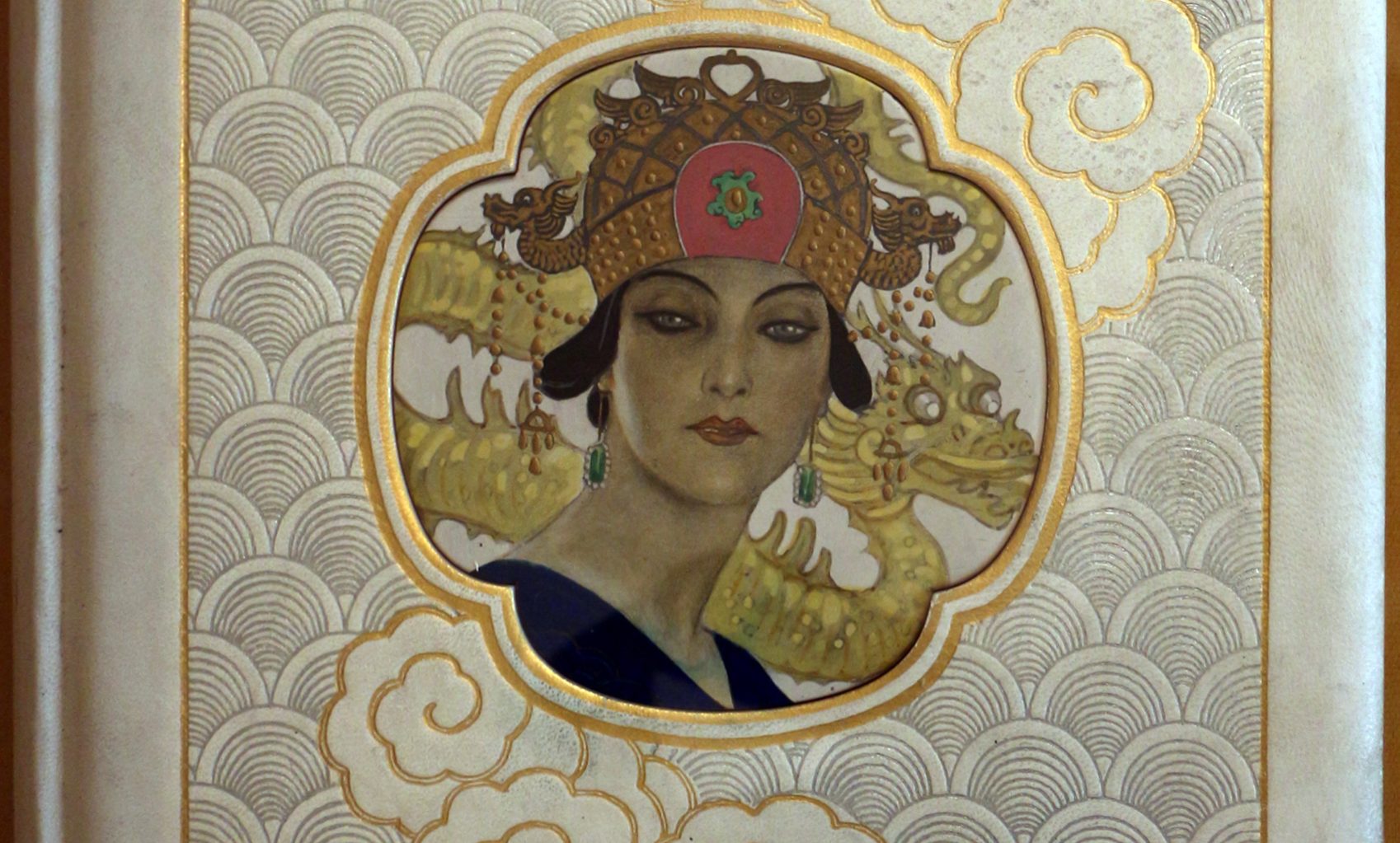
When Puccini’s opera ‘Turandot’ was heard for the first time in April 1926, its composer had been dead for almost a year and a half. Turandot is considered as his best work: Puccini’s mastery of orchestral sound reaches its pinnacle: this is a ripe, opulent, fin de siècle, score, in which deep washes of colour are applied to a profusion of melodic ideas. 

In this arrangement I did use the orchestral material from the opera to make a large Symphonic Suite for Symphonic Band.

Publisher: → Baton Music (wind band version)


There is also a (new) version for → fanfare band available. This version is shorter but not less interesting for fanfare bands playing on the highest level (grade 6).


Sensemaya / Silvestre Revueltas

Sensemaya / Silvestre Revueltas

‘Sensemayá’ (1938) of Mexican composer Silvestre Revueltas is a dance of archaic nature rooted in primitivism. It is a kind of Latin Rite of Spring, full of the mythological dances of the Mayas and the Aztecs and based on the poem Chant to kill a snake by the Afro-Cuban poet Nicolás Guillén.

Recording: by Banda de Lalin (E) – conducted by Bram Sniekers.

Full Recording: CD ➞ “Danzon”

Publisher: → Baton Music

Roumanian Folkdances / Bela Bartok

Roumanian Folkdances / Bela Bartok

Bela Bartok put a lot of effort into preserving countless folksongs for future generations. He put his own stamp on these songs.

These Romanian dances were originally composed for piano in 1911.

Recording: (live) by Fanfare St. Jozef Buchten (NL) – conducted by Patrick Spelthaen. 

Publisher: → Bronsheim Music