Overture on Russian and Kirghiz Folk Themes / D. Shostakovich

Overture on Russian and Kirghiz Folk Themes / D. Shostakovich

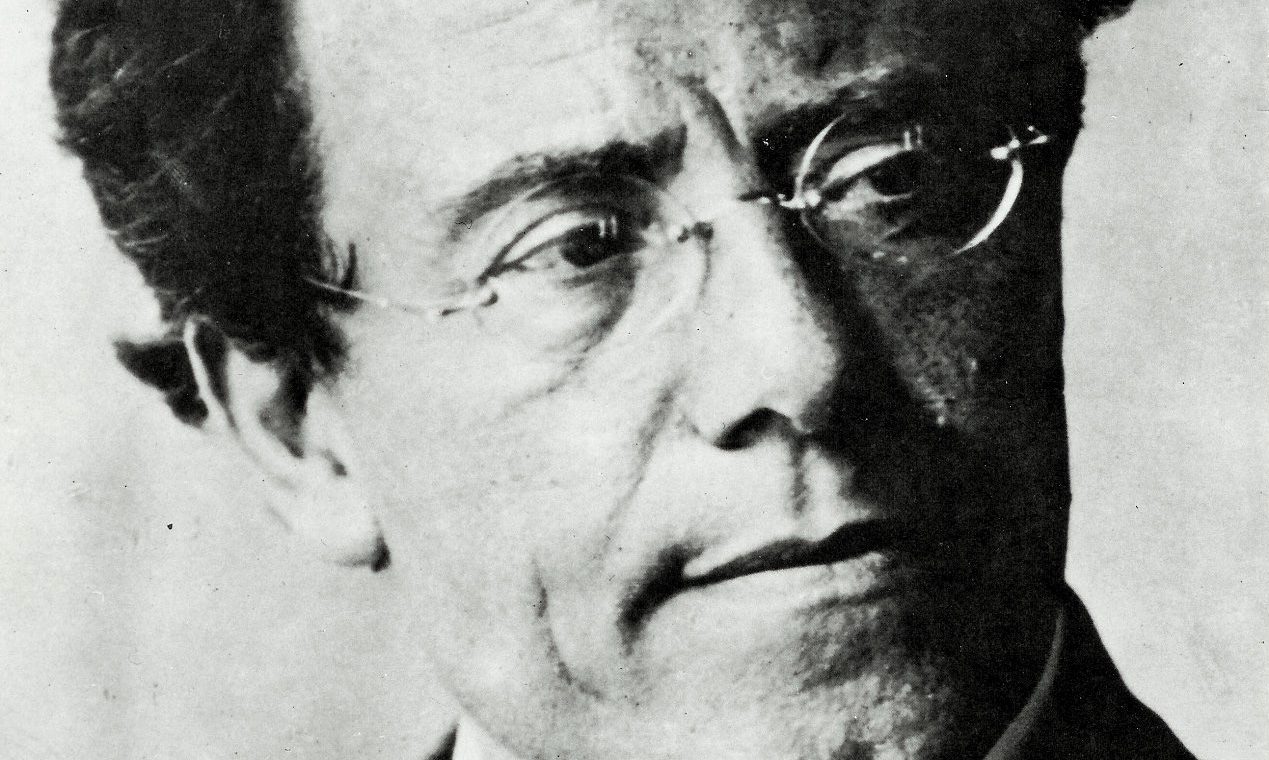
After completing and premiering his powerful and controversial 13th Symphony, Babi Yar, in 1962, Dmitri Shostakovich (1906-1975) spent the next year in a state of physical and creative recuperation. The only original work he wrote in 1963 was the ‘Overture on Russian and Kirghiz Folk Themes’, a memento of his visit to Kirghizstan that year. He promised the local people he would write a piece for them, and he kept that promise. By October, his ‘Overture of Russian and Kirghiz Folk Themes’ was completed, and on November 2, 1963, the work was premiered in Frunze (now renamed Bishkek), the capital of Kirghizstan. To symbolize the links between Russia and Kirghizstan, Shostakovich chose a Russian theme and two Kirghiz themes drawn from existing folk collections for his overture. The Kirghiz melodies, one heard immediately in the overture’s quiet, slowtempo introduction, are ‘Tryrldan’ about a mythological creature and ‘Op Maida’, a threshers’ song. The Russian theme is ‘Ekh, brodyagi vy, brodyagi’ (O You Tramps) from the Siberian region of Omsk. Shostakovich’s vivid orchestration and dramatic flair animate this colorful but rarely heard work.

Publisher: → Baton Music
Overture Solenelle ‘1812’ / P. I. Tschaikowsky

Overture Solenelle ‘1812’ / P. I. Tschaikowsky

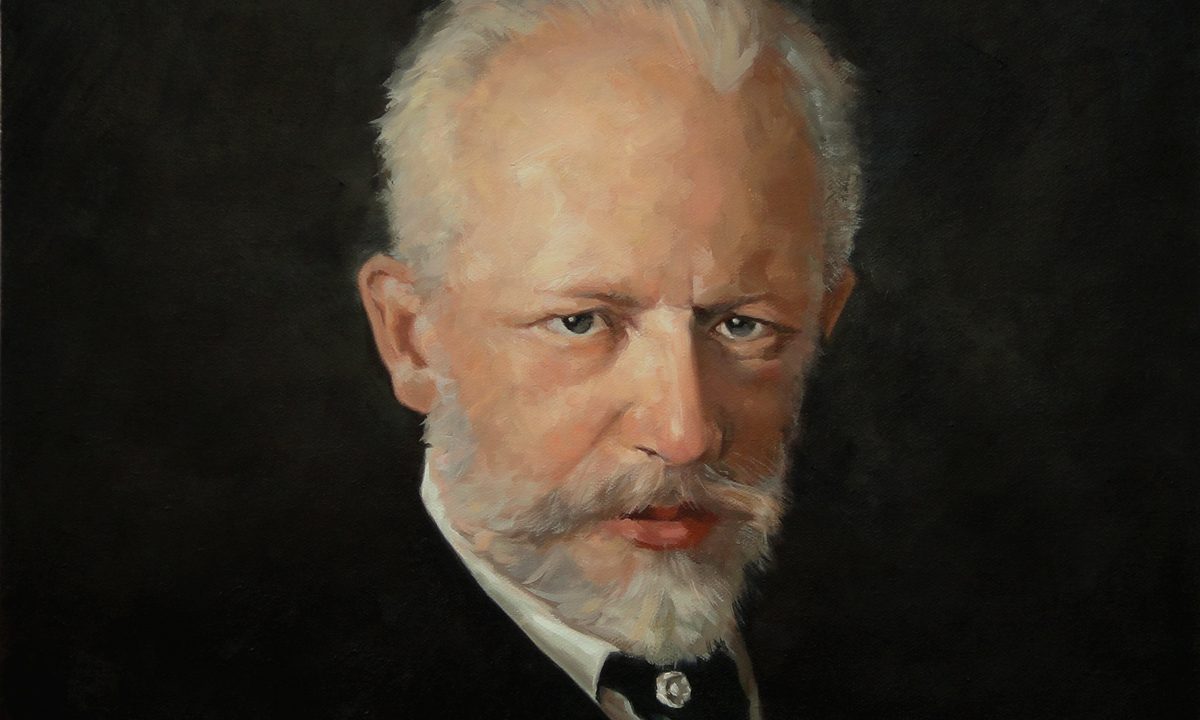
‘Ouverture Solenelle 1812’ was written by Tschaikowsky in 1880 to commemorate Russia’s defense of Moscow against Napoleon’s advancing Grande Armée at the ‘Battle of Borodino’ in 1812. The overture debuted in the ‘Cathedral of Christ the Saviour’ in Moscow in August 1882. The overture is best known for its climactic volley of cannon fire, ringing chimes, and brass fanfare finale. In this transcription the introduction of the Slavic Orthodox ‘Troparion of the Holy Cross’ is also scored for a choir (SATB).

Recording: (LIVE) Harmonie Municipale de Dudelange (L), Sascha Leufgen – conductor

Publisher: → Baton Music

Messe Solenelle de Sainte Cécile / Ch. Gounod

Messe Solenelle de Sainte Cécile / Ch. Gounod

Charles Gounod (1818-1893) regained great successes as a composer of church music and as an organist soon after graduating at the Paris Conservatory. The ‘Messe Solennelle de Sainte Cécile’ dates from the 1850s. Almost four years passed before, in 1855, the ‘Messe Solennelle de Sainte Cécile’ was heard in its entirety in Paris. It was the custom to celebrate the feast of St. Cecilia, the patron Saint of music.

Publisher: → Baton Music

Cyrano de Bergerac / Johan Wagenaar

Cyrano de Bergerac / Johan Wagenaar

Dutch composer Johan Wagenaar (1862 – 1941) parodied the conventions of Romantic opera in his own operas and secular cantatas, his music itself is staunchly Romantic in voice, little troubled by even the chromaticism of Wagner, let alone subsequent developments in the 20th century.  Although his symphonic poem ‘Saul and David’, written in 1906 to commemorate the three hundredth anniversary of Rembrandt’s birth, is considered his most ambitious work, it is this overture inspired by Rostand’s ‘Cyrano de Bergerac’ that was his most successful piece. The overture recalls the spirit and style of Strauss’s brand new tone poems, which Wagenaar openly admired, and it captures both the heroicism and poetic character of Rostand’s hero.

Publisher: → Baton Music

Adagietto / Gustav Mahler

Adagietto / Gustav Mahler

(from 5th Symphony)

The famous Adagietto is the fourth part of Mahler’s Symphony nr. 5 and the tempo is ‘Sehr Langsam’. Only strings and harp are playing and the long upbeats and expressive appogiaturas of the very slow melodic lines give the music a yearning, almost heartbreaking quality. The Adagietto functions as a slow interlude in F major, between two faster movements in D major, but it also has an expressive weight sufficient for it to stand on its own; indeed, it is often performed by itself.

Publisher: → Baton Music

Turandot Suite / Giacomo Puccini

Turandot Suite / Giacomo Puccini

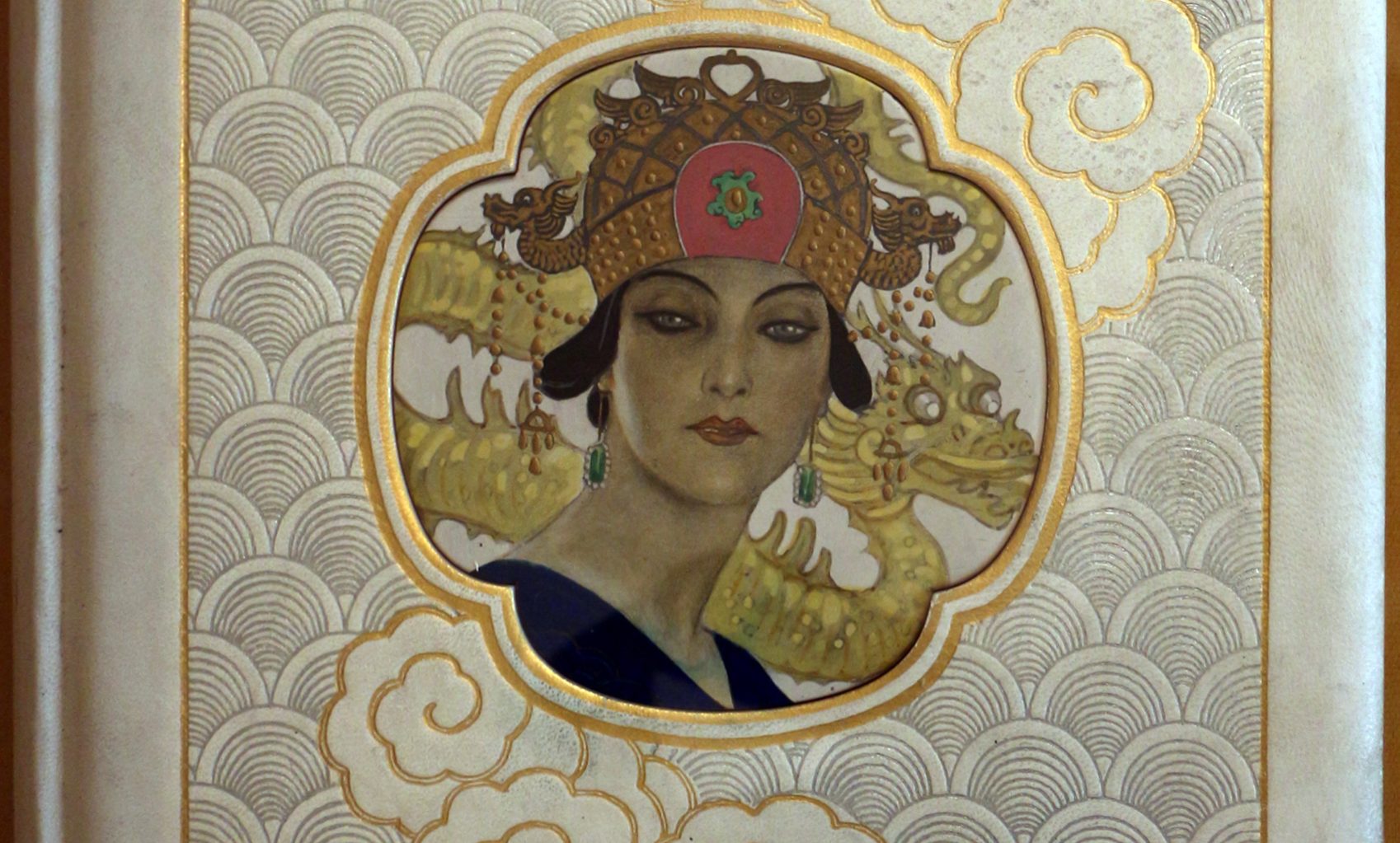
When Puccini’s opera ‘Turandot’ was heard for the first time in April 1926, its composer had been dead for almost a year and a half. Turandot is considered as his best work: Puccini’s mastery of orchestral sound reaches its pinnacle: this is a ripe, opulent, fin de siècle, score, in which deep washes of colour are applied to a profusion of melodic ideas. 

In this arrangement I did use the orchestral material from the opera to make a large Symphonic Suite for Symphonic Band.

Publisher: → Baton Music (wind band version)


There is also a (new) version for → fanfare band available. This version is shorter but not less interesting for fanfare bands playing on the highest level (grade 6).


Sensemaya / Silvestre Revueltas

Sensemaya / Silvestre Revueltas

‘Sensemayá’ (1938) of Mexican composer Silvestre Revueltas is a dance of archaic nature rooted in primitivism. It is a kind of Latin Rite of Spring, full of the mythological dances of the Mayas and the Aztecs and based on the poem Chant to kill a snake by the Afro-Cuban poet Nicolás Guillén.

Recording: by Banda de Lalin (E) – conducted by Bram Sniekers.

Full Recording: CD ➞ “Danzon”

Publisher: → Baton Music

Roumanian Folkdances / Bela Bartok

Roumanian Folkdances / Bela Bartok

Bela Bartok put a lot of effort into preserving countless folksongs for future generations. He put his own stamp on these songs.

These Romanian dances were originally composed for piano in 1911.

Recording: (live) by Fanfare St. Jozef Buchten (NL) – conducted by Patrick Spelthaen. 

Publisher: → Bronsheim Music